

Movement Therapy for Pain & Performance
Assessment, treatment and exercise for people experiencing pain or working towards a specific performance goal.
Working with Pain, Movement & Performance
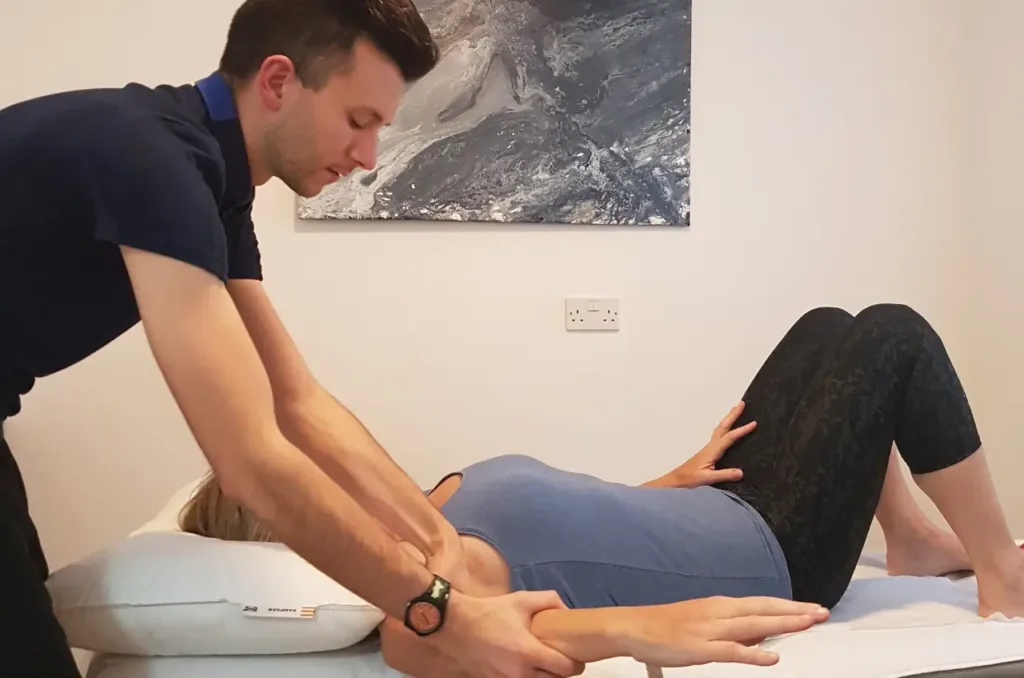
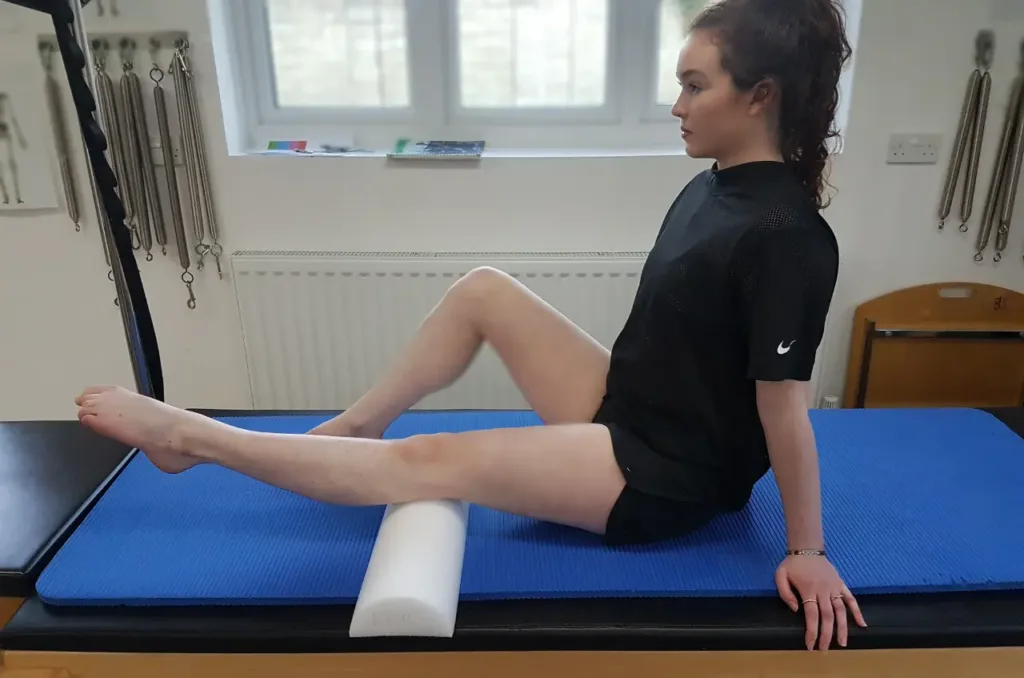
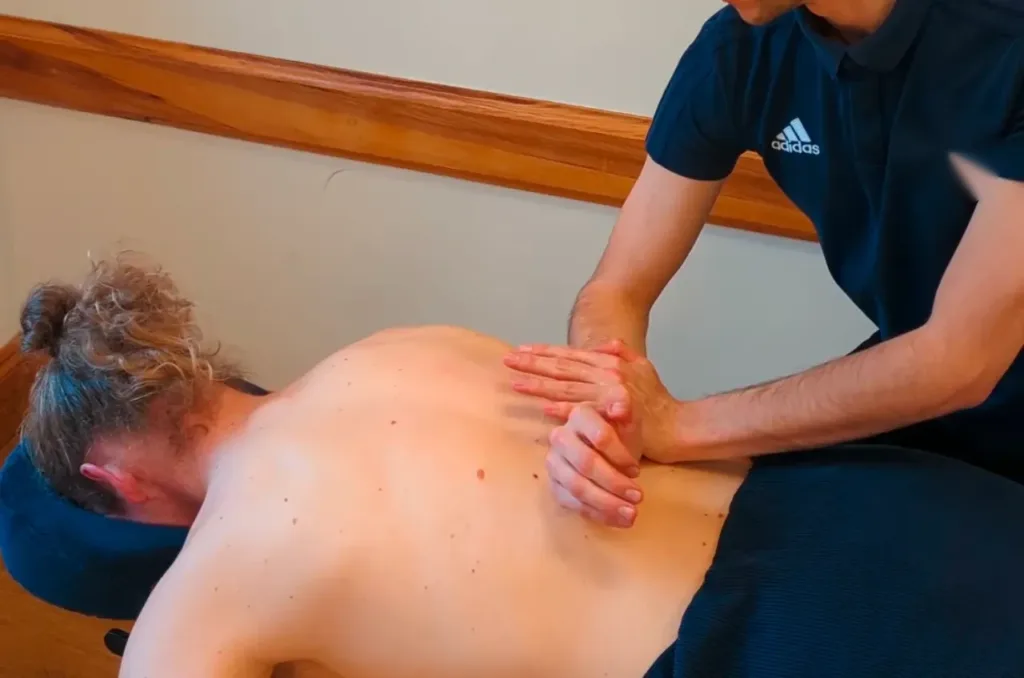
Movement Therapy combines assessment, hands-on treatment and exercise. It can be used when you are experiencing pain, having difficulty with a particular movement or working towards a specific performance goal.
People come to THRIVE Studio for a range of reasons, from back, neck, foot and ankle problems to pain associated with everyday activities, work or sport.
Alex also works with dancers and other sportspeople where the aim may be to address pain, improve a particular movement or work towards a performance goal.
- Pain — for problems affecting everyday activities, work, exercise or sport.
- Movement — looking at movements or activities that are difficult, uncomfortable or relevant to the problem.
- Performance — working on specific physical requirements for sport or dance.
- Individual approach — assessment, treatment and exercise are used according to what is relevant to the individual.
Understanding What You Need to Work On
Your first session includes a discussion about the problem or goal and an assessment of relevant movement and function.
The assessment can help identify what may be contributing to the problem and what would be useful to work on. Depending on what is found, the session can include hands-on treatment and specific exercises.
Where appropriate, exercises identified through Movement Therapy can also be incorporated into your 1-to-1 Pilates sessions or Pilates classes at THRIVE Studio.
Initial Assessment & Follow-Up Sessions
Initial Session
£65
Up to 75 minutes
Book an Initial SessionFollow-Up Session
£55
Up to 60 minutes
Book a Follow-Up SessionWhat a session can include
Assessment, hands-on treatment and exercises according to what you are working on.
Who it is for
You do not need to be an athlete. Movement Therapy can be used for problems affecting everyday activities as well as sport, dance and performance.
Location
THRIVE Studio, Broadstone.
Movement Therapy Appointment Information
Do I need to be an athlete?
No. Movement Therapy can be used for problems affecting everyday activities, work and exercise as well as sport, dance and performance.
What happens at the first appointment?
The initial session includes a discussion about the problem or goal and an assessment of relevant movement and function. Treatment and exercises can then be used according to what is found.
What can treatment include?
A session can include assessment, hands-on treatment and exercises. What is included will depend on what you are working on and what is relevant during the appointment.
How long are appointments?
The initial session is up to 75 minutes. Follow-up sessions are up to 60 minutes.
How much does Movement Therapy cost?
The current price is £65 for an initial session and £55 for a follow-up session.
How do I book?
Book your Movement Therapy appointment online using the existing THRIVE Studio booking system.