
At Thrive Studio in Broadstone, Dorset, we do Pilates for pain and injury differently to most Pilates studios. From over 15 years of teaching Pilates, we know many people join classes to manage and reduce pain. However, when I completed my first Pilates qualification back in 2011, the course didn’t cover the clinical knowledge needed to safely help people with pain. So, I went further and completed a full Movement Therapy diploma with Movement Therapy Education. This let me combine my Pilates teaching with clinical skills from my Sports Therapy background, creating an integrated approach between Pilates and Therapy that’s more effective for pain. Here’s how it works.
What Makes Therapy-Led Pilates Different?
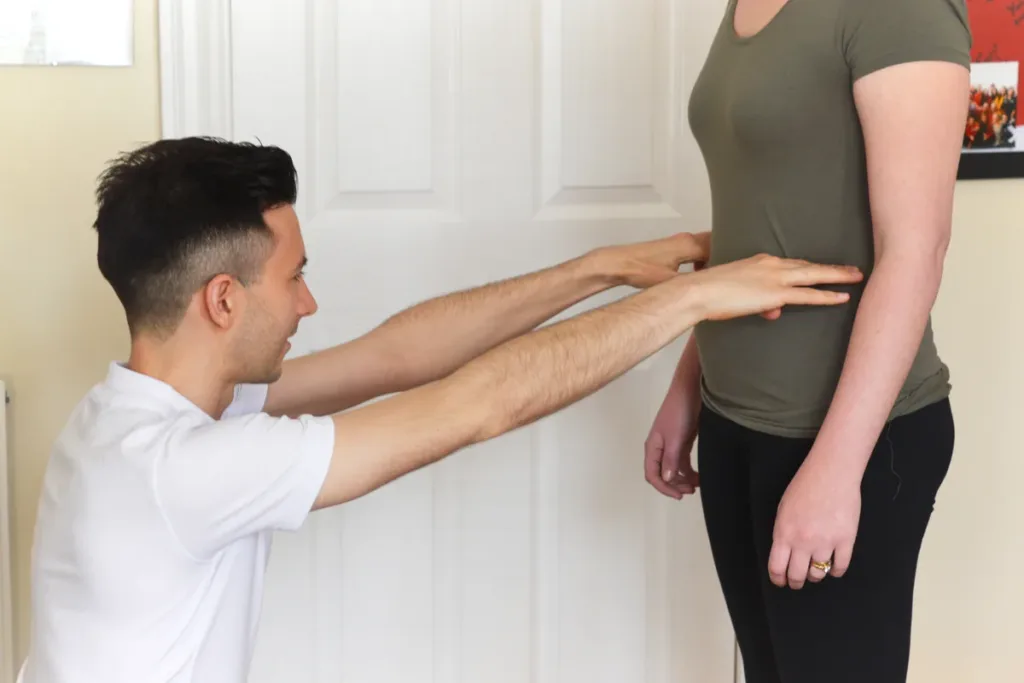
A normal Pilates class teaches general or standard Pilates exercises to everyone in the room. Therapy-led Pilates starts from a different point: your specific pain or injury. Because of this, every class is shaped around the individuals taking part, to give a targeted approach. This is the main difference between a standard class and one specific for pain.
What Happens in a 1-1 Pilates Assessment?
We offer every new client a 1-1 Pilates assessment. First, we take time to go through your history. This includes when your pain started, what makes it better, what makes it worse, and how it responds to exercise. This history gives us clues about what to look for in the assessment, and from there, the class can be shaped around what we find.
Can Pilates Help With Pain or an Old Injury?
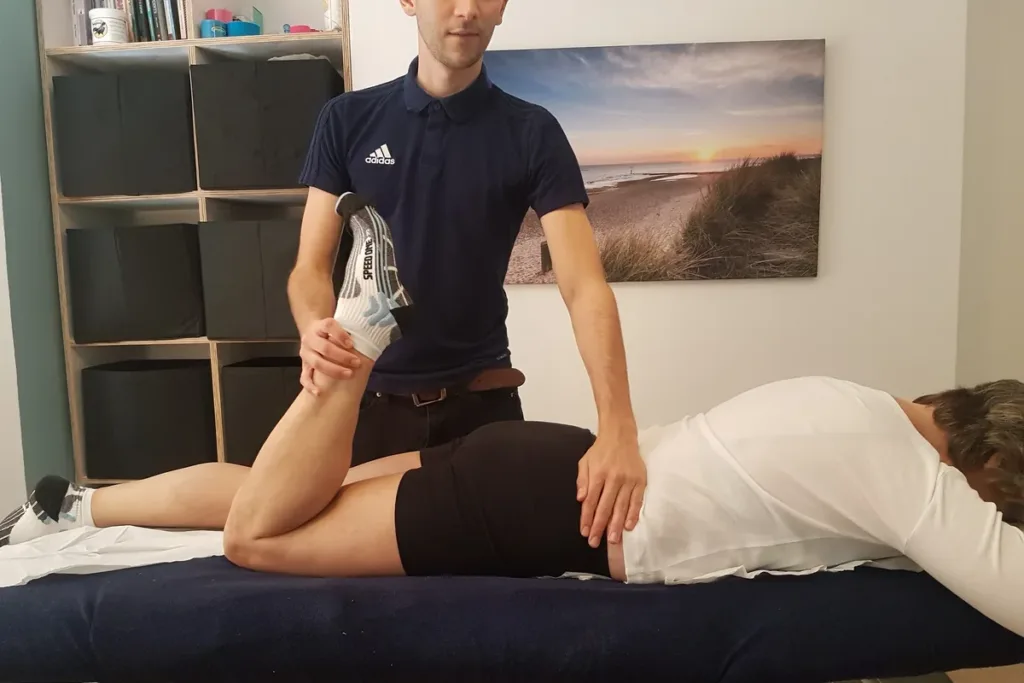
Yes — but the more information and testing we can do before starting, the more specific we can be. That’s why the assessment continues with a check for any red flags. Red flags are symptoms that may indicate a more serious underlying condition — such as certain types of cancer or infection — rather than a straightforward pain or movement issue. If no red flags are present, or if they are and you’ve been cleared by a healthcare provider, we move on to testing.
Next, we carry out special tests for things like spinal stenosis, SIJ pain and labral tears. These include ligament tests and joint tests, among others. This helps build a clearer picture of what could be causing your pain.
Finally, we test movement, joints and strength. This highlights anything that’s restricted, painful, or needs strengthening. Altogether, this is what makes Pilates for pain and injury recovery genuinely targeted, rather than guesswork.
What’s the Difference Between a Normal Pilates Class and Pilates for Pain & injury?
With all this information, we can judge far more accurately which exercises will benefit you in class. Because our Equipment Pilates classes stay small (max 4) and Matwork Pilates classes stay small (max 8), we can integrate the exercises you specifically need into the class itself. So instead of a general Pilates class, you get a targeted one.
Small numbers also mean more personalised attention. This matters because it may be appropriate to adapt an exercise just for you — for example, everyone might do the same movement, but with a slight variation that gives you far more benefit.
Is Pilates Safe If You Have Pain?
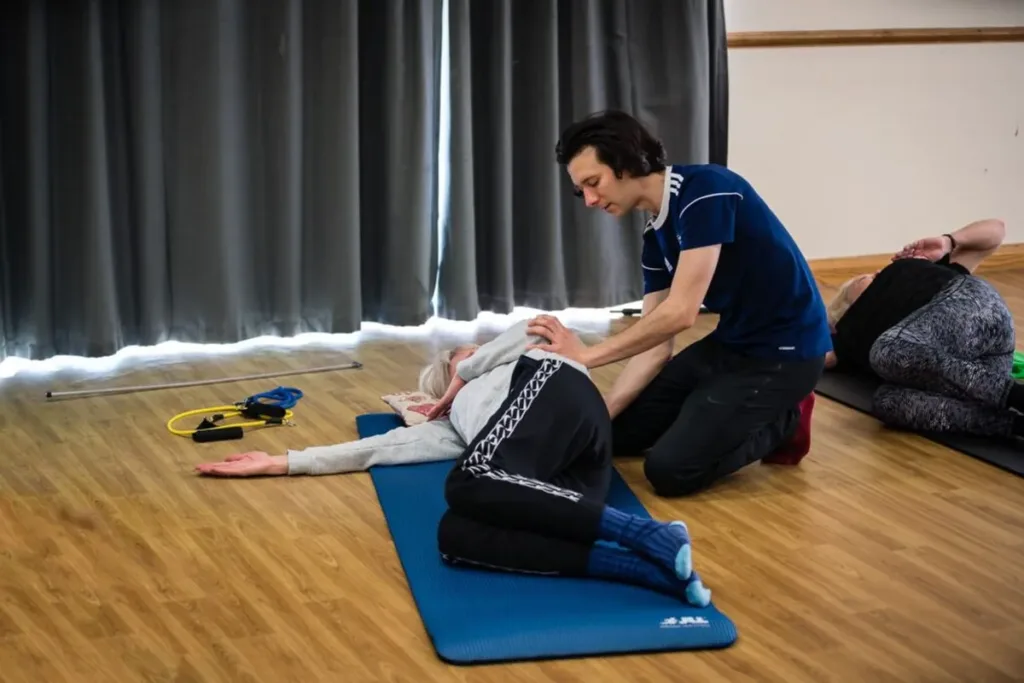
In most cases, yes — when your classes are built around a proper assessment and adapted to you, Pilates can be a safe way to work with pain. It isn’t risk-free for everyone, which is why assessment and appropriate adaptation matter. Beyond the exercises themselves, the assessment also means we can recommend pain-relieving modalities to use between sessions. We can also suggest adaptations to your sporting activities or lifestyle that might be contributing to your pain — for example, adaptive changes to your training programme.
We rarely recommend stopping the activities or sports you enjoy. But if an activity is causing pain, small changes are often enough to make a big difference, rather than stopping altogether.
Looking for More Specific Support?
If you’re a dancer or performer dealing with a performance-related injury, our Sports Therapy for Dancers & Performers page covers this in more detail. If your main issue is back pain specifically, our post on Therapy-Led Pilates for Back Pain goes deeper on that.
Ready to start? Book your 1-1 Pilates assessment and we’ll build your classes around you, not a generic template.